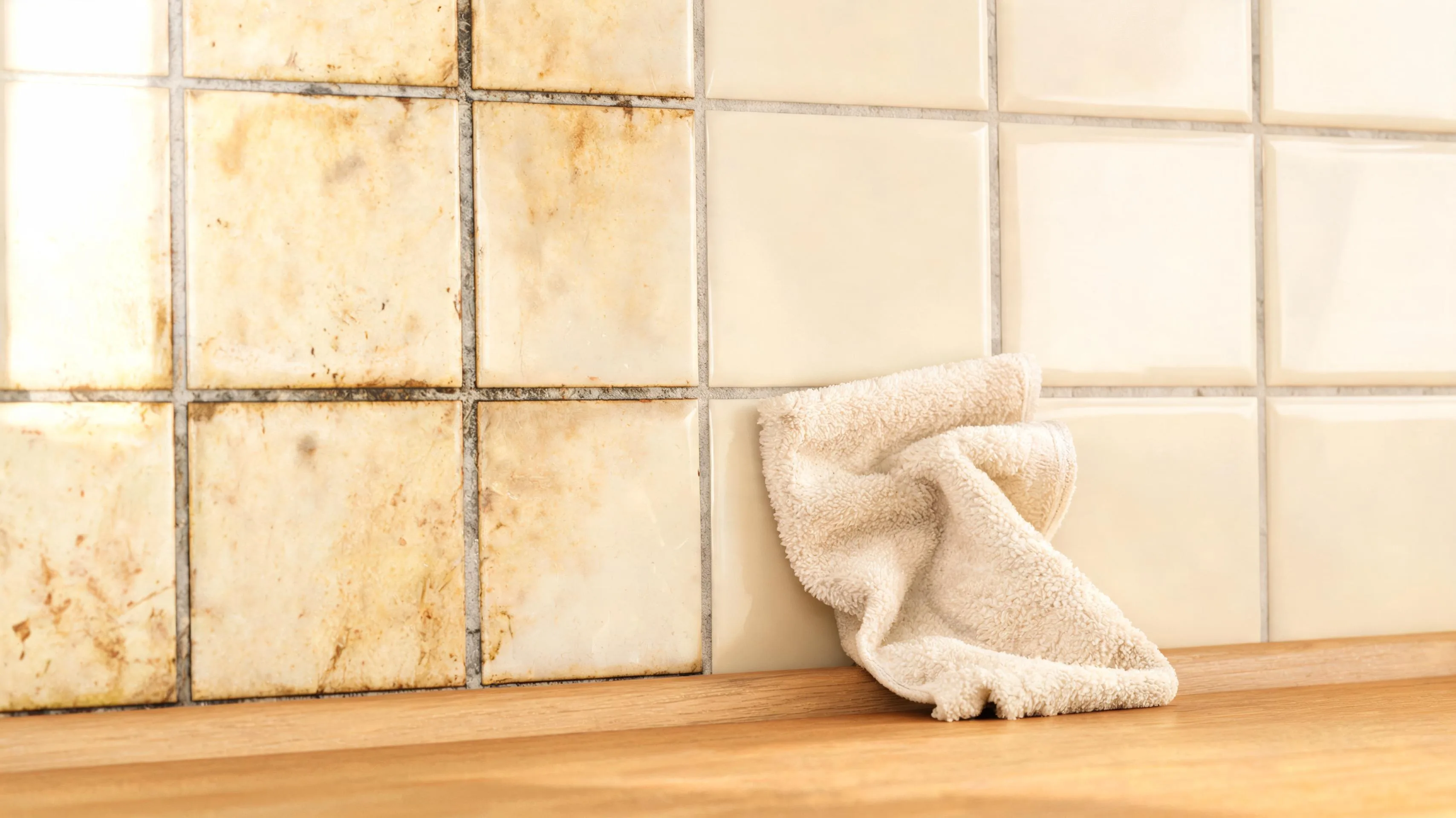
Almost everyone booking a cleaner for the first time asks the same question in some form: do I need the expensive one? The honest answer depends less on how dirty your home feels and more on how long it has been since anyone cleaned the parts you cannot see.
What a standard clean actually covers
A standard or maintenance clean is designed to hold a line that already exists. It covers the surfaces you touch and see every day, and it assumes the hidden work was done at some point in the recent past.
- Kitchen counters, sink and appliance exteriors
- Bathrooms sanitised — toilets, showers, tubs, mirrors
- Floors vacuumed and mopped throughout
- Reachable surfaces dusted, beds made, bins emptied
In a typical three-bedroom home that is two to four hours of work. It is the right choice on a recurring schedule, and the wrong choice as a first visit to a home that has not had a proper clean in a year.
What a deep clean adds
A deep clean does everything above, slower, and then keeps going into the places a maintenance visit has to skip because there simply is not time.
- Inside the oven, fridge and microwave
- Grout scrubbed in kitchens and bathrooms
- Baseboards, door frames and vents wiped by hand
- Behind and under movable furniture
- Interior window glass, sills and tracks
- Limescale removed from fixtures and shower glass
That is four to eight hours in the same three-bedroom home. The price difference is not a markup — it is the extra hours.
How to tell which one you need
Three questions settle it most of the time.
- When did someone last clean inside your oven? If the answer is 'I don't know', book the deep clean.
- Is there visible buildup — limescale on the shower glass, dark grout lines, greasy film above the cooktop? Buildup does not come off in a maintenance visit.
- Are you starting a recurring schedule? If so, deep clean first, then maintain. It is cheaper over a year than paying for a standard clean that never quite catches up.
The pattern that works for most homes
One deep clean to set the baseline, then a recurring standard clean every one or two weeks to hold it, plus a deep clean once or twice a year for the seasonal reset. Homes with pets, small children or heavy cooking usually want the deep clean quarterly instead.
If you only ever book standard cleans, the hidden dirt keeps accumulating underneath a surface that always looks fine — until one day it doesn't.